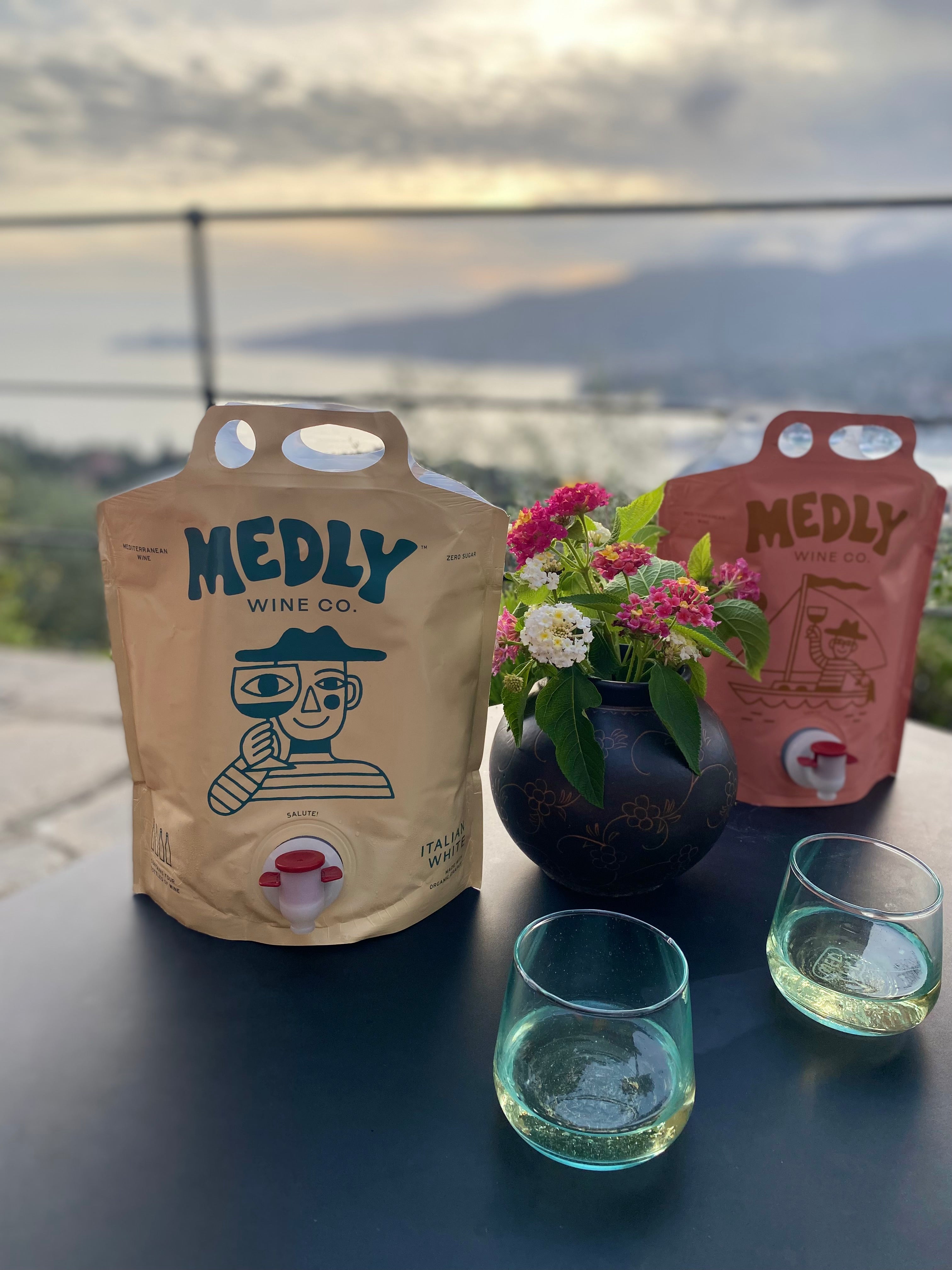
This white wine guide is for nights when you want something crisp and uncomplicated, even if the wine aisle feels like it’s speaking another language. White wine should fit into real life: a quick pasta, a snack plate, a sunny patio, a last-minute dinner invite, without overthinking it.
Quick Guide To White Wines
White wine is made from white grapes (or from red grapes fermented without extended skin contact), and it typically tastes bright, fruity, and crisp, with flavors that can range from citrus and green apple to peach and tropical fruit.
Most white wines fall into a few core style lanes defined by sweetness, body, acidity, and aroma. Here’s the shortcut we’d text a friend from the wine aisle
-
Dry vs. sweet is about sugar. Dry tastes clean and not sugary. Sweet tastes, well, sweet.
-
Light vs. rich is about texture. Light feels crisp and refreshing. Rich feels rounder and more plush.
-
Fruit flavor doesn’t automatically mean sweet. A dry wine can taste like peach and still finish crisp.
-
Acidity is the refresh factor. Higher acidity tastes brighter and keeps a wine feeling clean.
You can find the best white wine for your plans with two questions: Do I want dry or sweet? And do I want light or rich?
-
Dry + light: crisp, zesty, clean. Look for Sauvignon Blanc, Pinot Grigio, Albariño, or dry Riesling.
-
Dry + rich: rounder, textured, sometimes cozy. Look for Chardonnay, especially oak-aged styles.
-
Off-dry: a gentle hint of sweetness that still tastes fresh. Look for Riesling and Chenin Blanc.
-
Sweet: clearly sweet, fruity, and very aromatic. Look for Moscato or sweeter styles of Riesling.

Popular White Wines
These are the familiar names for a reason. They’re widely available, easy to learn, pair with your everyday dinners, and each one teaches your palate something useful.
Sauvignon Blanc
Sauvignon Blanc is the friend who shows up freshly showered, carrying lemons and herbs. It’s usually dry, super crisp, and high in acidity, which makes it taste bright from the first sip to the last. Expect citrus like lemon, lime, and grapefruit, plus green apple and that clean, green-herb vibe that can feel like basil, mint, or freshly cut grass.
Depending on where it’s grown, it can lean lean-and-mineral or swing into riper notes like passionfruit and guava, but it almost always finishes fresh and mouthwatering.
Pinot Grigio
Pinot Grigio is the easy, breezy white you can pour without a second thought. It’s typically dry, light-bodied, and quietly refreshing, with flavors that stay clean and simple: pear, melon, apple, and a little citrus peel. It won’t shout over your night, and that’s the charm.
Some versions are super subtle and crisp, while others have a slightly rounder texture or a faint salty-mineral edge that feels coastal. If you like whites that taste light, calm, and effortless, this is your lane.
Chardonnay
Chardonnay is the shape-shifter, and that’s why people either swear by it or swear it off after one random glass. In a fresher, no-oak style, it can taste bright and clean, like green apple, lemon, and pear, with a neat, crisp finish. In an oak-aged style, it gets fuller and rounder, with toast and vanilla-like spice aromas and a smoother, more layered texture.
Some Chardonnays go through malolactic fermentation, which softens acidity and can make the wine feel creamier. Translation: Chardonnay can be crisp or cozy, depending on the style.
Riesling
Riesling is the aromatic overachiever that still feels relaxed about it. It can be dry, off-dry, or sweet, but it almost always keeps a bright acidity that makes it taste lively, not heavy. You’ll often get citrus like lime and lemon, plus stone fruit like peach and apricot, sometimes with a floral lift.
In some regions, it can carry a mineral, slate-like edge that feels clean and precise. As it ages, it can pick up deeper notes that feel more savory. If you like whites that smell amazing and still finish fresh, Riesling deserves a spot in your rotation.
Moscato
Moscato is the fun, fragrant one that doesn’t pretend to be serious. It’s usually sweet, lower in alcohol, and super aromatic, with peach, apricot, orange blossom, and fresh grape notes that make it smell like a fruit bowl in the best way.
It’s generally light-bodied with gentle acidity, and many Moscatos have a little sparkle that keeps the sweetness feeling airy. If you want a white that tastes soft, fruity, and instantly friendly, Moscato is an easy yes.
White Wine Quick Pairing Guide
White wine is at its best when there’s something to snack on. Pairing doesn’t have to be perfect. Think balance: lighter whites with lighter foods, richer whites with richer foods, and a little sweetness when there’s spice.
-
Sauvignon Blanc loves bright, tangy flavors. Try it with goat cheese, green salads with vinaigrette, grilled shrimp, oysters, herby chicken, or anything with lemon.
-
Pinot Grigio plays nicely with simple, salty, fresh plates. It’s great with crudités and hummus, grilled zucchini, pesto pasta, sushi, ceviche, or a classic charcuterie board with olives.
-
Chardonnay is the move when dinner has roast, cream, or a little char. Pour it with roast chicken, creamy pasta, scallops, mushroom dishes, corn, or richer fish like salmon.
-
Riesling is a lifesaver with heat and bold seasoning. Pair it with Thai curries, spicy tacos, hot wings, salty cheeses, or anything with ginger and chili.
-
Moscato shines with fruit-forward desserts and spicy bites. Try it with fresh berries, peach tart, spicy appetizers, or a salty-sweet combo like prosciutto and melon.
When the food is lighter, go crisper. When the food gets roasted, go fuller. When the food gets spicy, bring a touch of sweetness.

White Wine Types Dry To Sweet
Sweetness is a dial, and you get to choose where you want it. Keep in mind that dry and sweet describe sugar, not fruit flavor. A wine can taste like ripe peach and still finish dry. Sweetness is about how much natural grape sugar remains after fermentation:
-
Bone-dry: Muscadet, Brut Nature sparkling wine, many dry Albariños.
-
Dry: Sauvignon Blanc, Pinot Grigio, Grüner Veltliner, Vermentino, many dry Chardonnays.
-
Off-dry: many Rieslings, many Chenin Blancs, Gewürztraminer.
-
Semi-dry: some Rieslings, some Chenin Blancs, some Pinot Gris styles.
-
Sweet: Moscato, late-harvest Riesling, Sauternes-style sweet whites, ice wine.
High acidity makes whites feel fresher at any sweetness level. That’s why some off-dry Rieslings still taste clean and lively.
White Wine Lightest To Heaviest
Body is the difference between a splashy white and a silkier one. Light whites feel crisp and airy. Fuller whites feel rounder and more textured.
A practical guide:
Light-bodied: Pinot Grigio, Albariño, Muscadet, many dry Rieslings.
Medium-bodied: Sauvignon Blanc, Chenin Blanc, Pinot Blanc, many unoaked Chardonnays.
Full-bodied: many oaked Chardonnays, and richer white blends.
Food-first pairing cues help here. Light-bodied white wines love seafood, salads, bright sauces, fresh herbs, and salty bites. Fuller whites fit roasted vegetables, chicken, creamy pastas, richer fish, and dishes with butter, garlic, or toasted flavors.
Factors Influencing White Wine Styles
Two wines can share a grape name and still taste completely different. That’s normal. White wine style is shaped by different factors like the grape type, the place it grows, and choices made during winemaking.
Types of grapes for white wine and white wine grape varieties
Grapes have built-in tendencies that show up again and again, even across regions. These quick anchors help:
-
Sauvignon Blanc: citrus, herbs, high acidity, crisp finish.
-
Pinot Grigio: light body, subtle fruit, clean profile.
-
Chardonnay: adaptable, can be lean and mineral or rich and textured.
-
Riesling: aromatic, high acidity, can range from dry to sweet.
When you’re choosing a white for the first time, grape variety is often the easiest clue to flavor, body, and general vibe.
Climate and terroir
Climate influences ripeness, and ripeness influences flavor. Cooler climates often produce whites with higher acidity and flavors like citrus, green apple, and fresh herbs. Warmer climates often bring riper fruit flavors like peach, melon, and tropical notes, plus a rounder feel.
Terroir is the full place story, including soil, elevation, sun exposure, and local conditions. A place leaves fingerprints on a wine’s structure and aroma, and you’ll start to notice it once you compare a few bottles of the same grape from different areas.
Winemaking techniques
Winemaking choices can change texture, aroma, and perceived richness:
-
Stainless steel: keeps it bright and fresh.
-
Oak: adds roundness and those toastier notes.
-
Malolactic: softer, creamier feel.
-
Lees aging: extra texture, a little savory depth.
Oak vs no oak
Oak is one of the biggest style switches in white wine, especially Chardonnay. No-oak whites are usually made in stainless steel or neutral vessels, so they stay bright and clean, with citrus and apple flavors and a crisp, fresh finish.
Oaked whites spend time in barrels, which can add toast and vanilla-like spice notes and a rounder, more layered texture, often tasting smoother and richer even when the wine is dry. If you like zippy, go no-oak. If you like plush, go oak-aged.
Sweetness levels
Sweetness is controlled by fermentation choices and grape ripeness. If fermentation runs to completion, the wine finishes dry. If more residual sugar remains, the wine tastes off-dry or sweet. Acidity is the balancing act that keeps sweeter styles tasting fresh instead of heavy.
White Wine Regions
Regions help because they hint at common styles and food pairings. They’re not rules, but they’re useful signals:
-
Loire: Sauvignon Blanc styles
-
Burgundy: Chardonnay styles
-
Northern Italy: Pinot Grigio
-
Sicily: bright, sun-kissed whites
-
Germany: Riesling
If you like wines that feel made for food and long conversations, Mediterranean regions are a great place to linger.
Storing and Serving White Wines
A good white can taste muted if it’s served too cold, stored too warm, or left open too long. A few small habits go a long way.
Proper storage conditions
For unopened wine, keep it cool, dark, and steady. After opening, reseal and refrigerate. Cold slows oxidation and helps whites stay fresh longer.
Ideal serving temperatures
Serving temperature affects aroma and flavor. A common guidance range for whites is roughly 45-55 degrees, depending on style.
If you’re thinking, I don’t own a thermometer, you’re normal. Start cold and take a sip right away, then take another sip five minutes later. You’ll often taste more fruit and aroma as it warms slightly.
What Type Of White Wine Is Best? We Say It’s Medly
The best white wine is the one you’re excited to pour while you’re cooking, bring to dinner without stress, and share without having to explain it. That’s the whole point.
Medly was built around Mediterranean winemaking traditions and a modern, direct-to-consumer approach that challenges the usual industry markup and mystery.
Medly keeps things clean-label and approachable, with wines that are made by multi-generational family estates in France and Italy using regenerative farming practices that avoid pesticides and herbicides.
Medly’s eco-friendly pouch (equivalent to about four standard bottles) is designed to keep wine fresh for up to 45 days after opening by limiting oxygen exposure.
Start with Medly’s organic Italian white, a crisp, fruity blend of Pinot Grigio and Inzolia with that sunny Sicilian character that feels instantly at home on the table.

What Are The Basics Of White Wine? FAQs
What is a dry white wine?
Dry white wine tastes clean, not sugary. A dry white wine finishes without noticeable sweetness because little to no residual sugar remains after fermentation. It can still taste fruity, like apple, pear, peach, or citrus, but those flavors come from the grape and fermentation aromas, not sugar. Common dry styles include Sauvignon Blanc, Pinot Grigio, and many Chardonnays.
What is a sweet white wine?
A sweet white wine has more residual sugar, so sweetness is clear on the palate. Sweet whites often show flavors like peach, apricot, honey, or orange blossom, and they pair especially well with spicy dishes, salty cheeses, and dessert. Moscato is a common example, and Riesling can range into sweet styles depending on the producer.
How long does white wine last in the fridge?
Most bottled white wine tastes best for about three to five days in the fridge after opening. Alternative packaging, like the eco-friendly pouch that Medly uses, keeps wine fresh for up to 45 days after opening by limiting oxidation.