The basic ingredients in wines are simple. This is true for red wine, white wine, or rosé wine. Of course, grapes are the main ingredient. Then, small amounts of yeast are added for fermentation. Finally, most producers add a small amount of sulfites to prevent oxidation. Three ingredients. Done.
For purposes of this article, we define these types of wines, those with only three ingredients, as “clean wines”. It isn’t a technical or regulatory term, but it helps us distinguish between wines with only three ingredients and those wines that include other stuff.
Unfortunately, not all wines are “clean”. The ingredient list can be surprisingly lengthy for mass-produced conventional wines. These wines will often include additives used for various purposes during processing or to adjust the profiles of the final product, such as: color, flavor, mouth feel, acidity, or viscosity. In general terms, these additives provide short cuts for the producers and make it easier and/or cheaper to produce.
For purposes of this article, we define conventional wines as those that have more than the three basic ingredients found in clean wines. That is, conventional wines typically contain several additives.
In this article, we review the ingredients found in clean wines versus those found in conventional wines. What should be a simple ingredient list has been complicated by regulations that give wine producers flexibility while limiting transparency for the consumer.
The basic take away is this: You only need two or three ingredients to make wine. Anything additional is an additive. Companies that make clean wines value transparency. They want you to know what is in their product. Thus they often provide an ingredient list. They want you to know what certifications they have earned through years of hard work, sweat, and money invested. Thus, they often provide their certifications. If you value transparency and want to drink clean wines, your best move is to look for certifications and producers who explain their choices clearly.
Overview of Red Wine Ingredients: Clean vs Mainstream Conventional Wine (Quick Version)
As described above, clean wines have a maximum of three basic ingredients: the grapes, plus a small amount of yeast for fermentation, and (potentially) minimal added sulfites for stability in package.
Ideally, clean wines start with certified-organic grapes, but this is not always the case. Look for the organic certification from the country of sale and the country of origin to determine whether or not the grapes are certified organic.
Low-intervention wine is the next step, made with an even lighter touch in processing, relying more on healthy fruit and careful fermentation using minimal - if any - non-required ingredients.
A commercial red wine begins with grapes, but it can be adjusted after fermentation with additions or processing aids that tweak acidity, deepen color, soften texture, clarify haze, or lock in a specific flavor style. After going through this level of doctoring, it’s hard for me to still call it wine.
Why Are There Additives in My Wine?
If you like knowing what’s in your food, then you probably want the same clarity with your wine. The demand for clean wine has grown because people want transparency. They want to know what is in their wine. They want to support transparent growers and producers.
That’s the practical side.
The style side is where things get interesting. Many commercial reds are made to hit a familiar flavor profile every single time. Plush texture, deep color, a soft finish, and sometimes a sweeter impression. When the goal is uniformity at scale, intervention becomes a reliable option.
This is why clean, low-intervention wines have such a loyal following. When a producer uses fewer inputs, the wine tastes more like a place and a harvest, and less like a processed product.

Does European Wine Have Less Chemicals Than American Wine?
Generally, yes, but not always. Both the E.U. and the U.S. allow a range of practices in winemaking. What differs are the culture and traditions of winemaking, market expectations, and how common heavy standardization is in everyday wines.
In many Mediterranean regions, wine is part of daily life. It’s paired with lunch, shared at long dinners, and chosen for balance. The goal is often drinkability, not intensity for intensity’s sake.
That culture tends to pair naturally with minimal processing, especially among family estates that farm with care and don’t chase trends.
At the same time, Europe also makes industrial wine, and many winemakers in the U.S. make lovely, low-intervention wines. So instead of treating geography like a guarantee, shop using better signals: Certified organic grapes, family-estate sourcing, and straightforward communication about winemaking choices.
Wine additives banned in Europe
Europe tightly defines what counts as wine and what practices are permitted. In the EU, wine runs on a positive list system: only the practices and ingredients explicitly authorized under EU wine law can be used in products sold as wine. If it’s not authorized, it’s effectively off the menu.
What’s effectively “banned” for EU wine: Added flavorings, added water (beyond narrow technical need), and artificial sweeteners.
That structure tends to reward producers who keep it simple, which is one reason clean, low-intervention wines often feel very at home in clean wine culture.
What Kinds of Chemicals and Other Additives Could Be in My Wine?
A red wine ingredients list can range from very short to surprisingly long, depending on how the wine is made. Here are common categories of additions and processing aids that can show up in conventional red wine production.
-
Acid adjustments: Acids may be added to brighten a wine that tastes flat or overly ripe. This can help the wine feel more lively with food, especially warmer vintages.
-
Texture and structure additions: Some producers add tannins to create a richer mouthfeel, softer finish, or more structured texture, even if the grapes didn’t naturally deliver that exact profile.
-
Clarifying and fining agents: Fining can remove haze and soften bitterness. Some fining agents can be animal-derived (like fish swim bladders, which is why vegan wine isn’t automatic unless a producer states it clearly.
-
Stabilizers and processing aids: Some tools are used to reduce the risk of haze, prevent unwanted changes during shipping, or keep wine stable over time.
-
Preservatives, especially sulfites: Sulfites help protect wine from oxidation and spoilage. Many high-quality wines use them. The difference is how much is used and how transparent the producer is about the approach.
-
Sweetness and concentrated grape products: Some reds are pushed into a plush, sweet-leaning style using methods that boost sweetness, deepen color, or intensify flavor. If a red tastes more like fruit candy than dinner, that’s often a sign the style has been heavily guided.
What’s the chemical in red wine that causes headaches?
There isn’t one universal chemical in red wine that causes headaches for everyone. Everyone is unique, and wine is a complex mix of alcohol, natural fermentation compounds, (and sometimes additions).
Some people suspect sulfites, tannins, histamines, or residual sugar causing their wine headaches. Alcohol itself is a common trigger. Dehydration, drinking without food, stress, and sleep deprivation can amplify it.
If you notice a pattern, it can help to try a simple experiment: choose dry, clean, low-intervention wines from transparent producers, drink water alongside, and have wine with food. If reactions are intense or consistent, a clinician can help you identify your personal triggers.
Why Aren't Chemicals Listed on Wine Bottle Labels?
In the U.S., wine labels typically don’t include a full ingredient list. So even when additions or processing aids are used, consumers may not see them called out in a straightforward way (or at all).
This lack of clarity is also why clean wine has become a real movement. People want to buy confidently, and they want the same kind of transparency they already expect from food.
Clean and low-intervention wine producers tend to lean into that desire by being more open about sourcing, farming, and cellar choices.

What Is Clean Wine, Exactly? Low Intervention Wines
Clean wine is a modern way of describing wines made with fewer inputs and more transparency, often starting with certified organic grapes and minimal processing.
Low-intervention wine is closely related. Low-intervention wines are made with intentional restraint, relying on healthy grapes and careful fermentation instead of corrections and less flavor-building. The goal is to guide the wine, not rebuild it.
Farming Practices
Farming is where clean wine begins. Certified-organic vineyards avoid synthetic pesticides and herbicides.
Many growers also use regenerative practices that support soil health and biodiversity. Healthier soil can mean healthier vines, and healthier vines can mean grapes that don’t need a lot of correction later.
This is why clean wine fans often care as much about the vineyard as their pour. It’s the foundation of quality and flavor.
Low Intervention Winemaking
Low-intervention winemaking is about letting great ingredients shine.
A low-intervention producer keeps additions at the bare minimum, avoids heavy flavor-building, filters less aggressively, and uses sulfites more conservatively based only on what the wine needs.
The result is often a red that feels more food-friendly, more alive, and more connected to where it came from. It’s the kind of wine you open for dinner and immediately relax.
Wines To Avoid
If you want fewer interventions and more transparency, be cautious with:
-
Very sweet red blends that taste like dessert. These styles often rely on intervention to lock in sweetness and intensify flavor.
-
Ultra-uniform, mass-market reds that taste identical every year. That level of consistency often comes from more tools and adjustments.
-
Wine-based drinks with added flavors. They can be fun, but they’re a different category than a straightforward red.
The best filter is still simple: if a producer can’t clearly explain sourcing, farming, and winemaking choices, you’re probably not getting the transparency you want.
How To Choose a Clean Wine That Fits into Your Lifestyle
Choosing clean wine should feel like choosing good olive oil. You want quality, you want transparency, and you want it to fit into your week without deep diving into a wine ingredients internet rabbit hole.
Start with certified organic when you can. Look for winemakers who talk clearly about where the grapes come from, how they’re farmed, and how the wine is made.
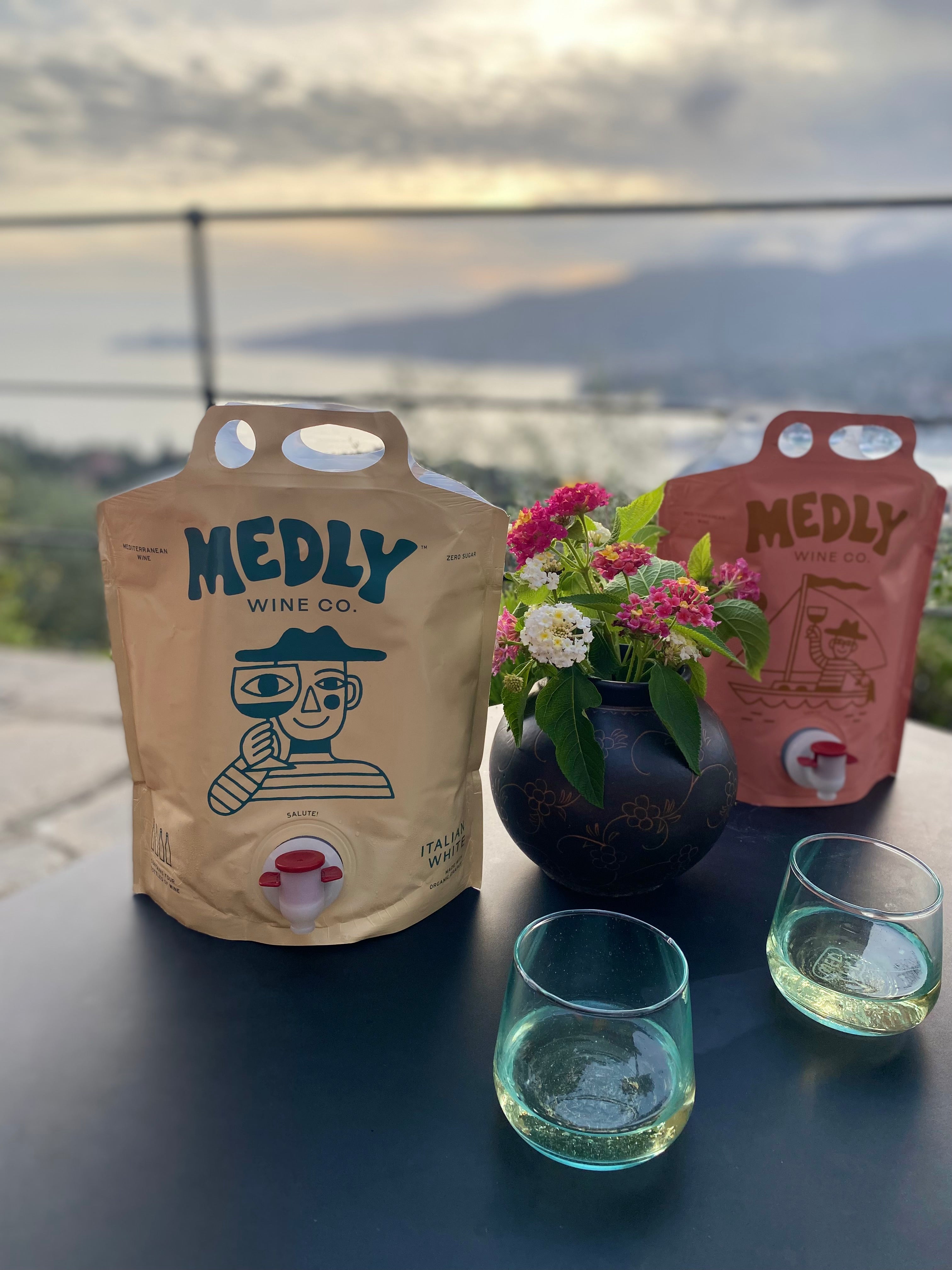
This is where Medly naturally fits into the clean wine conversation. Medly is a minimally processed clean wine, sourced from certified organic family estates in France and Italy, made vegan, gluten-free, and packaged in an eco-friendly pouch that stays fresh for up to 45 days after opening.
It’s designed for real life: a glass with weeknight pasta, a pour while you’re chatting with your sister, and enough left for friends dropping by this weekend.
If you’re curious about clean, low-intervention wines, starting with a winemaker that’s transparent and Mediterranean-rooted makes the whole category feel simple in the best way. Start with Medly’s Organic French Red!

Clean vs Commercial Red Wine FAQs
Do European wines have additives?
Sometimes. Some European producers keep things very minimal, and some use more intervention, depending on style and scale. If you want fewer additions, focus on certified organic farming, low-intervention winemaking, and transparency in the process.
What is considered the healthiest red wine to drink?
There’s no single “healthier” red wine, and wine is still alcohol, so moderation comes first. If you’re choosing based on a cleaner lifestyle, many people start with certified-organic, dry reds from transparent producers, made in a low-intervention wines style, with a simple red wine ingredients list.
Is clean wine regulated or certified?
Not as a single official category. Clean wine is mainly a consumer term. The most meaningful third-party signal is certification, like certified organic, because it sets real rules around farming inputs, and it can limit certain winemaking practices depending on labeling claims.